Nature Restores Your Mind, Not Just Your Mood
Time in Nature v Time with Nature
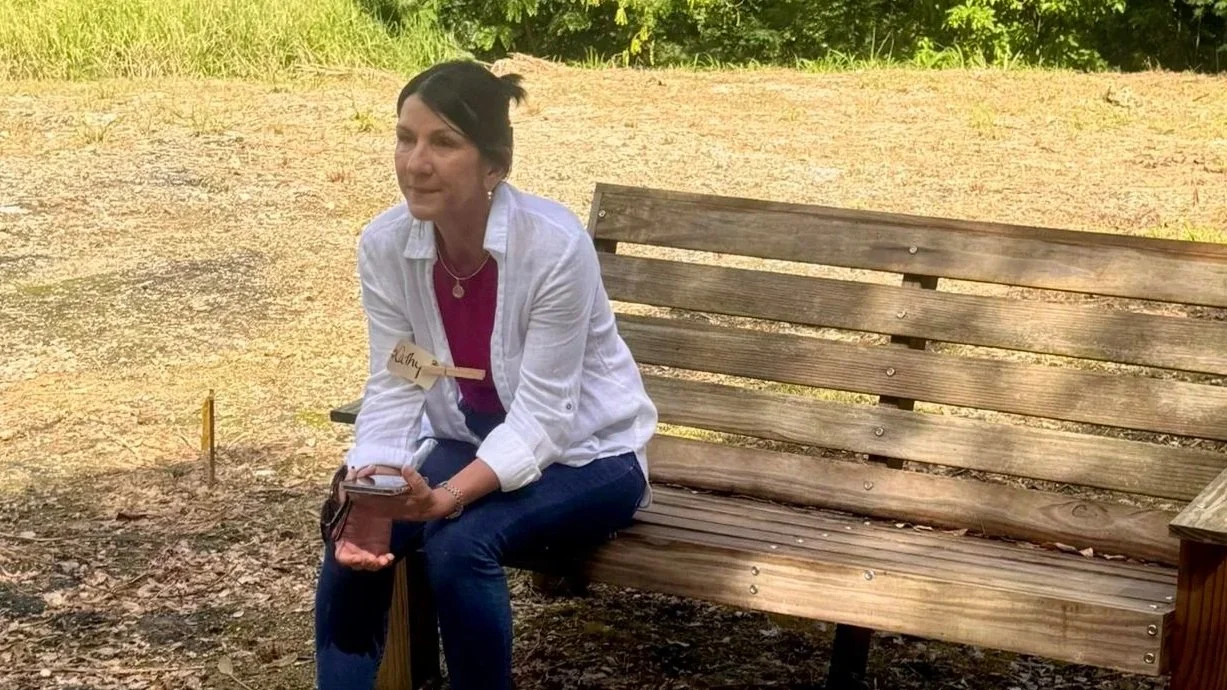
As I began writing this, I had an ‘aha moment’: there is a difference between spending time in nature and spending time with nature.
Time in nature can be passive. We pass through a park, walk to a destination, scroll on our phone while sitting outdoors. Time with nature implies something more intentional. It’s deliberately paying attention, being aware and present. It is the difference between being outdoors and actually noticing with all of your senses.
There is an established body of psychological research showing the wide-ranging benefits of spending time in nature. Many of these effects are intuitive, such as improved mood and reduced stress. Others are more striking. Research shows improvements in attention capacity, reductions in mental fatigue, lower risk of burnout, and decreased levels of aggression across adults of all ages. Even one hour a week in a natural environment has been shown to improve attention in older adults living in care homes.
What this means for you
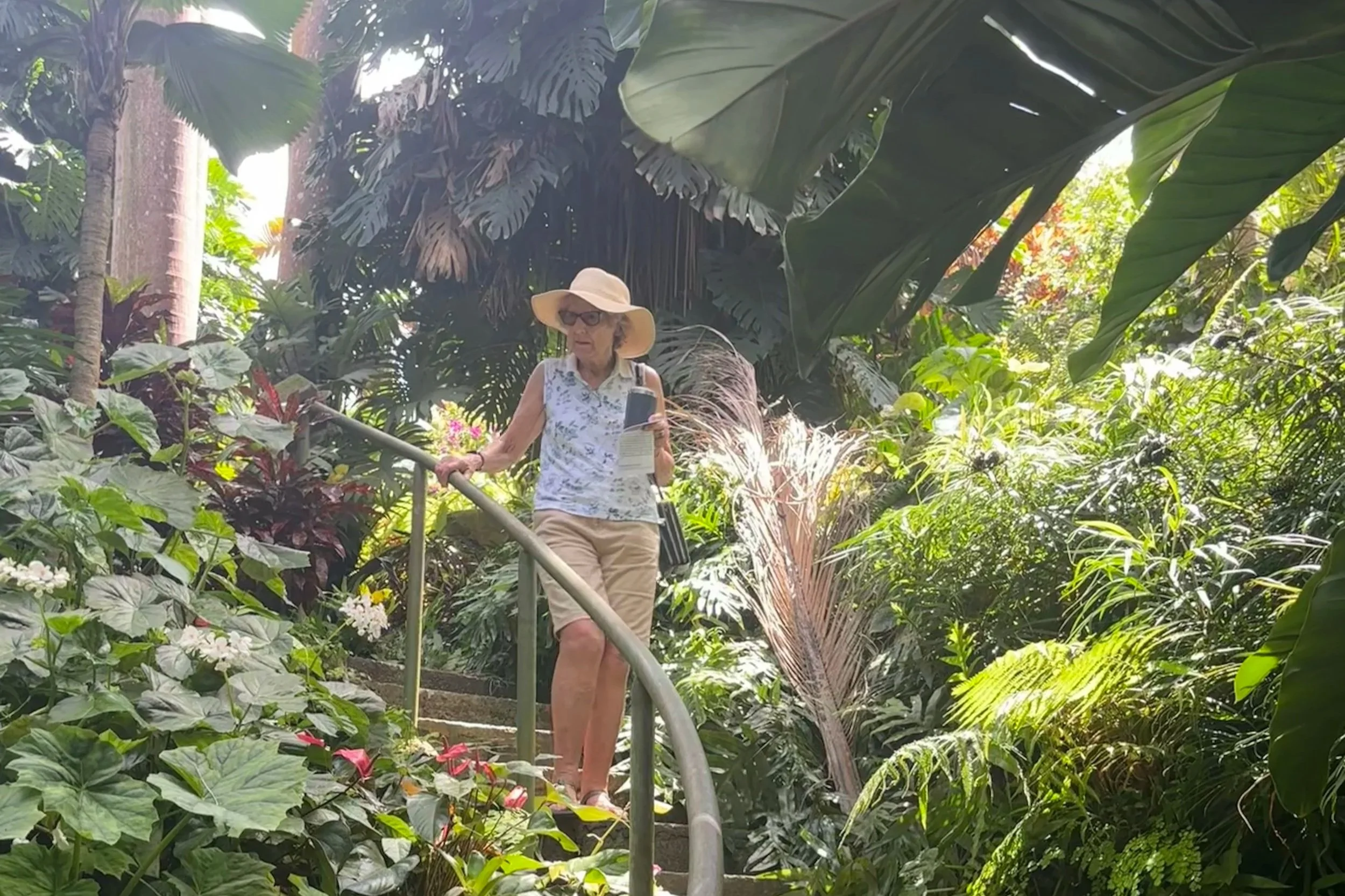
If you have a demanding week ahead at work or school, spending time with nature can actively protect your attentional resources. These busy schedules, exams and project deadlines are when you are most at risk of feeling overwhelmed or slipping into procrastination, nature helps replenish the mental energy required for sustained focus.
Similarly, when you feel depleted or overwhelmed, stepping outside into a natural environment can gently restore clarity. Sitting quietly or walking slowly in nature supports effortless reflection. This often leads to better problem solving, perspective shifts and unlocked creativity, without forcing insight or effort.
Physical exercise is well established as a powerful way to reduce symptoms of depression. However, when someone is feeling low, traditional fitness routines or gym based exercise can feel inaccessible or overwhelming. Research suggests that gentle nature walks can be a particularly effective alternative. Studies have found that people experiencing low mood show significant improvements in memory span and emotional wellbeing after walking in nature.
Begin - don’t overthink this.
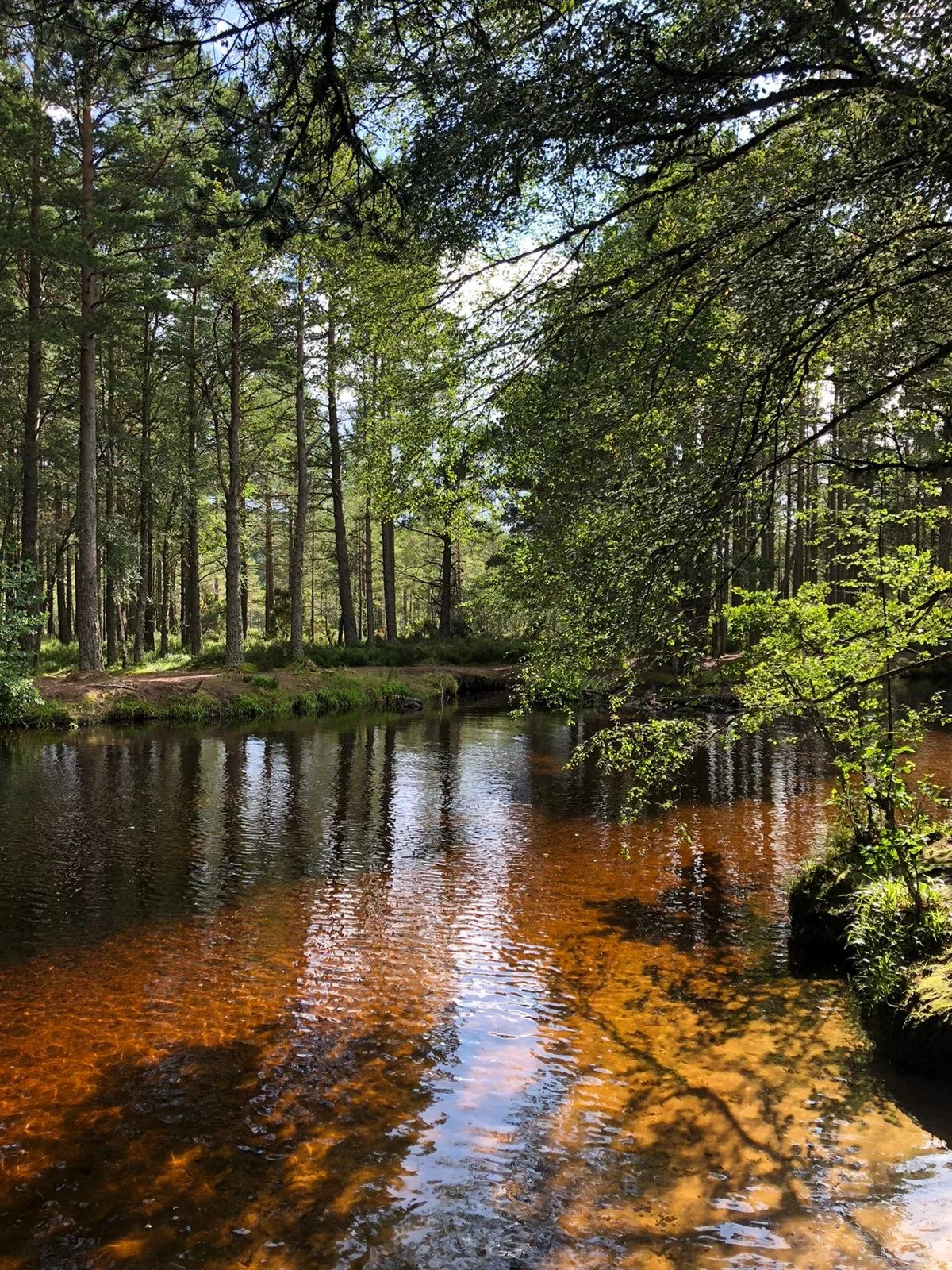
Spend time in nature in ways that feel manageable. This might be walking through a forest, along a coastal path, or sitting quietly on a bench in your local park and noticing what is around you.
Consistency matters more than intensity. Regular, shorter walks tend to offer greater benefits than occasional long or demanding ones, especially when you are building the habit.
As always, take care when spending time outdoors. Let someone know where you are going, avoid walking in extreme heat or cold, particularly in secluded areas, take water with you, and avoid walking alone after dark.
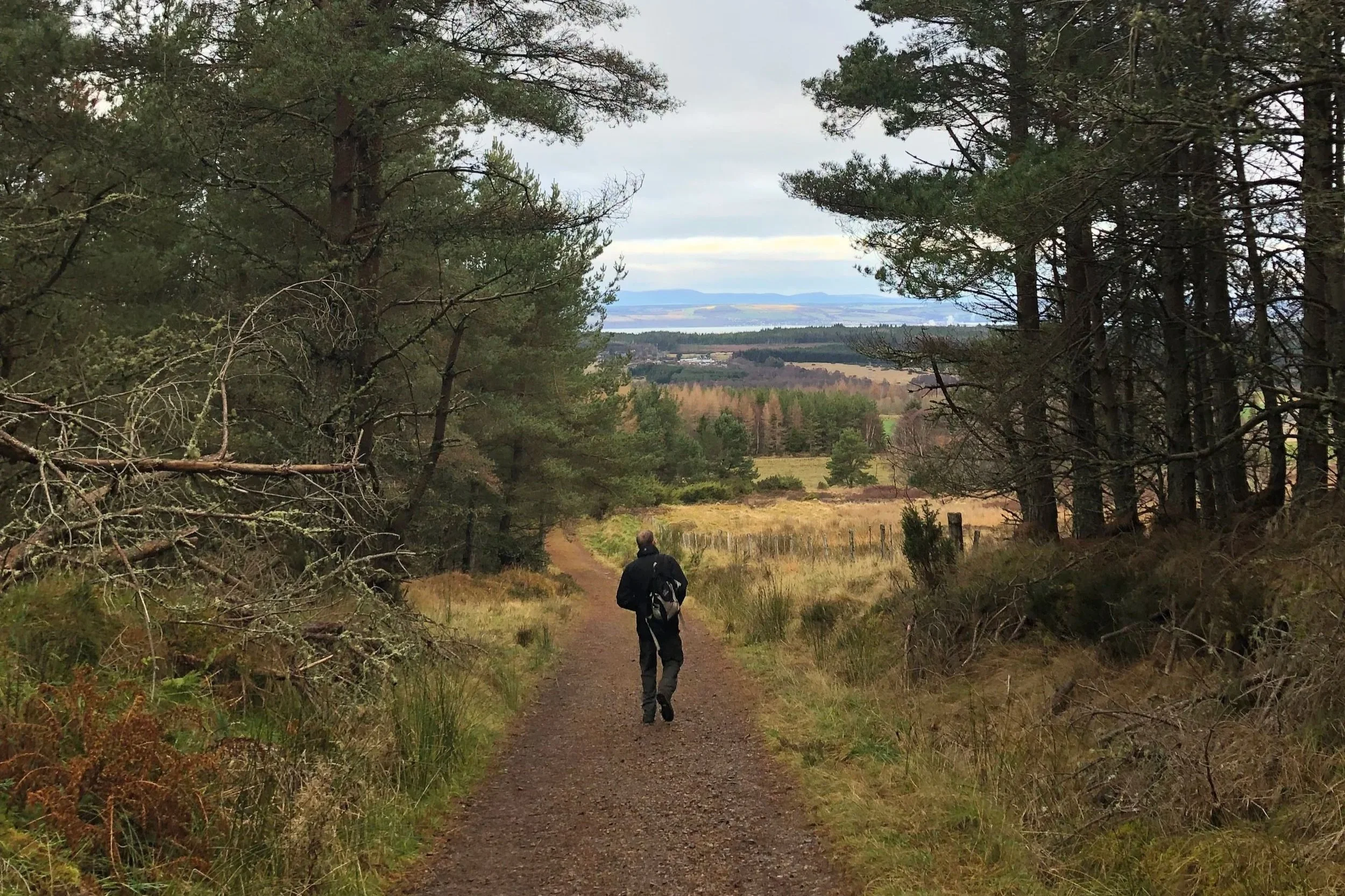
A Guided Nature Walk
Choose a natural place to spend some time. This is any green space where you can move without hurry. It does not need to be remote. What matters most is that it feels calmer than your everyday surroundings.
Dress comfortably, in clothes and walking shoes that allow you to walk with ease and without distraction.
Allow yourself to slow down. The quieter and more peaceful the setting, the more supportive it will be for this experience.
Begin walking at a gentle pace. Let your mind stay alert but relaxed. Walking through nature engages the mind, body and nervous system in a different way to walking through streets or built up environments.
As you walk, bring your attention to your senses.
Notice the smells around you. What does the air carry? Earth, salt, leaves, rain, warmth.
Then notice the sounds: the rustle of trees, birdsong, wind, distant movement. Let sounds come and go without needing to label or analyse them.
Shift your attention to sight. Take in colour, light and movement. Notice patterns, contrasts and details that you might normally pass by.
Continue walking slowly.
If something catches your eye, pause, stay with it for a moment. Let yourself fully appreciate what you are noticing.
Move gently between noticing smell, sound and sight for as long as feels comfortable.
There is no right way to do this.
When you are ready to leave, notice how your attention feels compared to when you arrived.
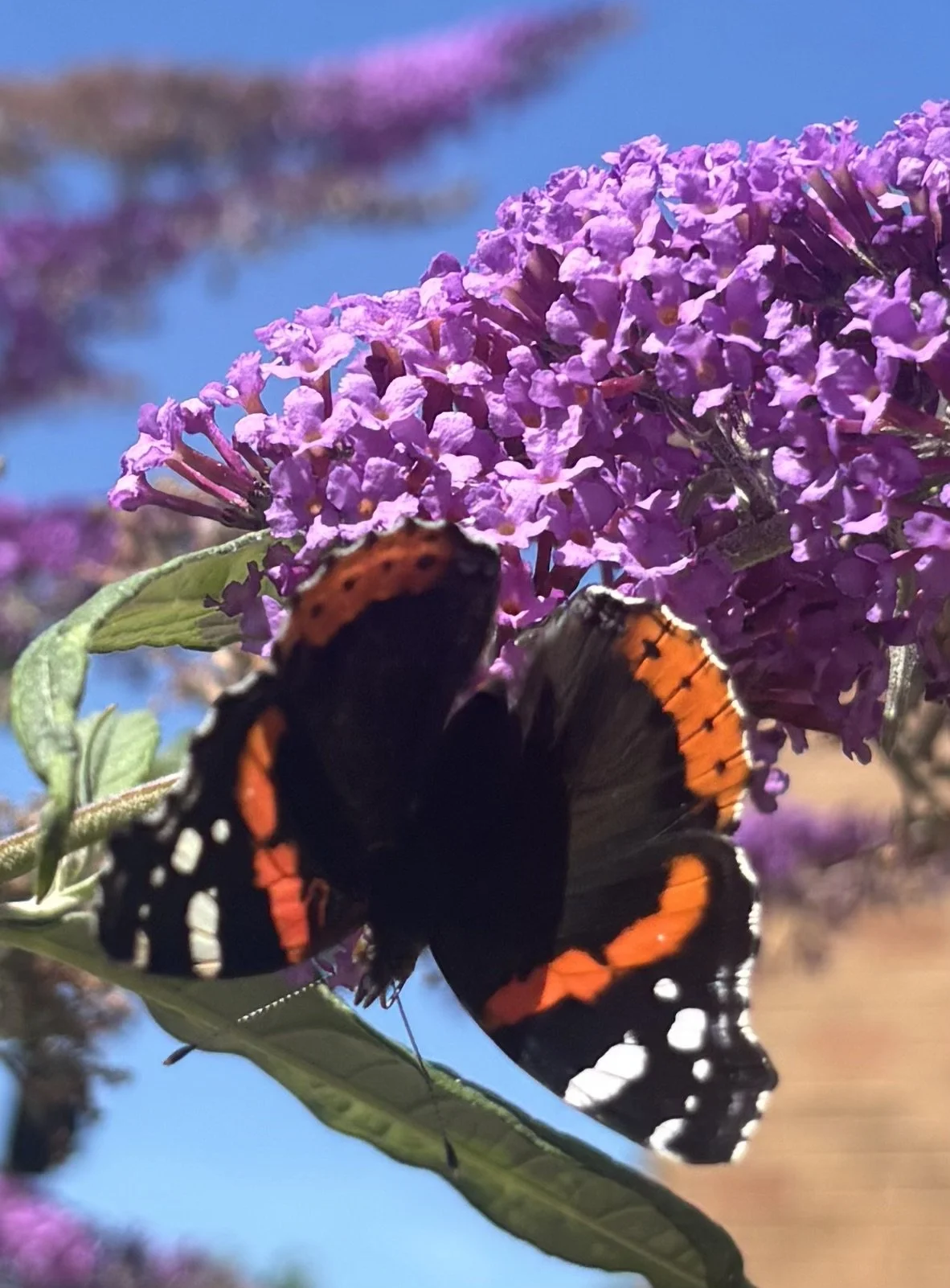
“Dwell on the beauty of life. Watch the stars, and see yourself running with them.”

Step outside this week.
Practise being with nature, not just passing through it.

Take the opportunity to play!
You’re never too old to enjoy the feeling of soaring high on a swing and feeling like you’re going to fly.
There’s More
I offer psychology-led coaching and Just Us experiences in nature for individuals and small groups who want greater clarity, connection and ease. You can find out more or get in touch here.